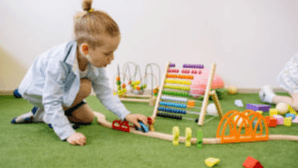
Child Psychology - The Importance of Play
Explore how play shapes emotional, social, and cognitive development in early childhood and learn strategies.
Child Psychology – The Importance of Play is a foundational course that highlights play as a crucial component of early childhood development. Play is often seen as simple entertainment, but research in developmental psychology shows that it is one of the most powerful ways children learn about themselves, others, and the world. Through play, children develop essential life skills such as creativity, communication, problem-solving, emotional control, and cooperative interaction.
In this course, students will explore how different forms of play contribute to physical growth, cognitive development, social relationships, and emotional well-being. The course also examines how play influences brain development and how educators and parents can create supportive environments that encourage curiosity, independence, and confidence.
Learners will also gain practical strategies for encouraging play in both home and classroom settings, including designing play spaces, selecting developmentally appropriate toys and materials, and facilitating group play that promotes positive social interactions. Special attention is given to children with developmental delays, sensory differences, or behavioral challenges, with methods to make play accessible and enjoyable for all.
By the end of the course, students will understand why play is not just leisure—it is learning. They will be equipped to foster rich, meaningful, play-based learning experiences that support holistic growth and lifelong well-being.