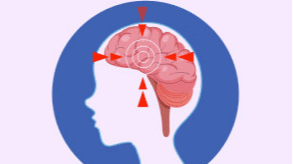
Child Development with Whole-Brain Approach
Learn effective sleep training techniques to support healthy sleep habits, self-soothing, and development in young children.
Sleep is one of the most essential foundations of a child’s physical, cognitive, and emotional development. From infancy to early childhood, sleep plays a crucial role in brain growth, emotional regulation, learning, memory, and overall well-being. However, many parents and caregivers struggle with bedtime challenges, nighttime awakenings, inconsistent sleep schedules, and difficulty establishing routines. This course, Child Development: Sleep Training, aims to provide a deep understanding of how sleep develops in children and how effective sleep training strategies can improve rest for both children and families.
1. The Importance of Sleep in Early Childhood Development
Sleep is far more than rest, it's an active process where significant brain development occurs. During sleep, children consolidate memories, strengthen neural connections, and regulate hormones responsible for growth and mood. Adequate sleep supports:
-
Cognitive development
-
Emotional stability
-
Physical growth
-
Behavioral regulation
-
Immune system strength
Without proper sleep, children are more likely to experience irritability, hyperactivity, difficulty concentrating, and developmental delays. Understanding the role of sleep helps caregivers appreciate why consistent routines and healthy sleep training practices are essential.
2. Understanding Sleep Patterns in Infants and Young Children
Children’s sleep patterns differ greatly from adults'. Newborns sleep in short intervals, while older infants begin to establish circadian rhythms. Toddlers experience their own unique cycles, and preschoolers require structured bedtime habits.