The Importance of Sensory Experiences in Early Childhood
Discover how sensory experiences shape early learning, brain development, and emotional growth in young children.
Sensory experiences play a vital role in early childhood development, shaping how children understand the world and build foundational skills for learning. This course examines the significance of sensory input in promoting brain development, emotional regulation, and physical growth during the early years.
The course begins by explaining how children use their senses—sight, sound, touch, taste, smell, movement, and balance—to explore and learn from their environment. Learners will understand how sensory experiences strengthen neural connections and support cognitive development, memory, and attention.
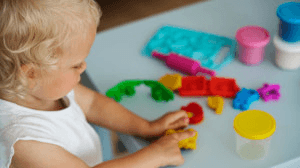
You will explore the connection between sensory play and motor skill development, including fine and gross motor coordination. The course highlights how activities such as texture exploration, movement-based play, and hands-on learning enhance problem-solving abilities and creativity.
The course also introduces sensory integration and explains how children process and respond to sensory information differently. Learners will gain insight into sensory sensitivities and challenges, helping them recognize when a child may need additional support or adapted learning environments.
Practical guidance is provided on creating safe, age-appropriate sensory activities at home and in early learning settings. Learners will explore ways to encourage curiosity, independence, and emotional expression through sensory-rich experiences.
By the end of this course, learners will understand how sensory experiences support holistic development and how intentional sensory play can enhance learning outcomes. This course empowers parents and educators to create engaging environments that nurture curiosity, confidence, and lifelong learning through the power of the senses.